

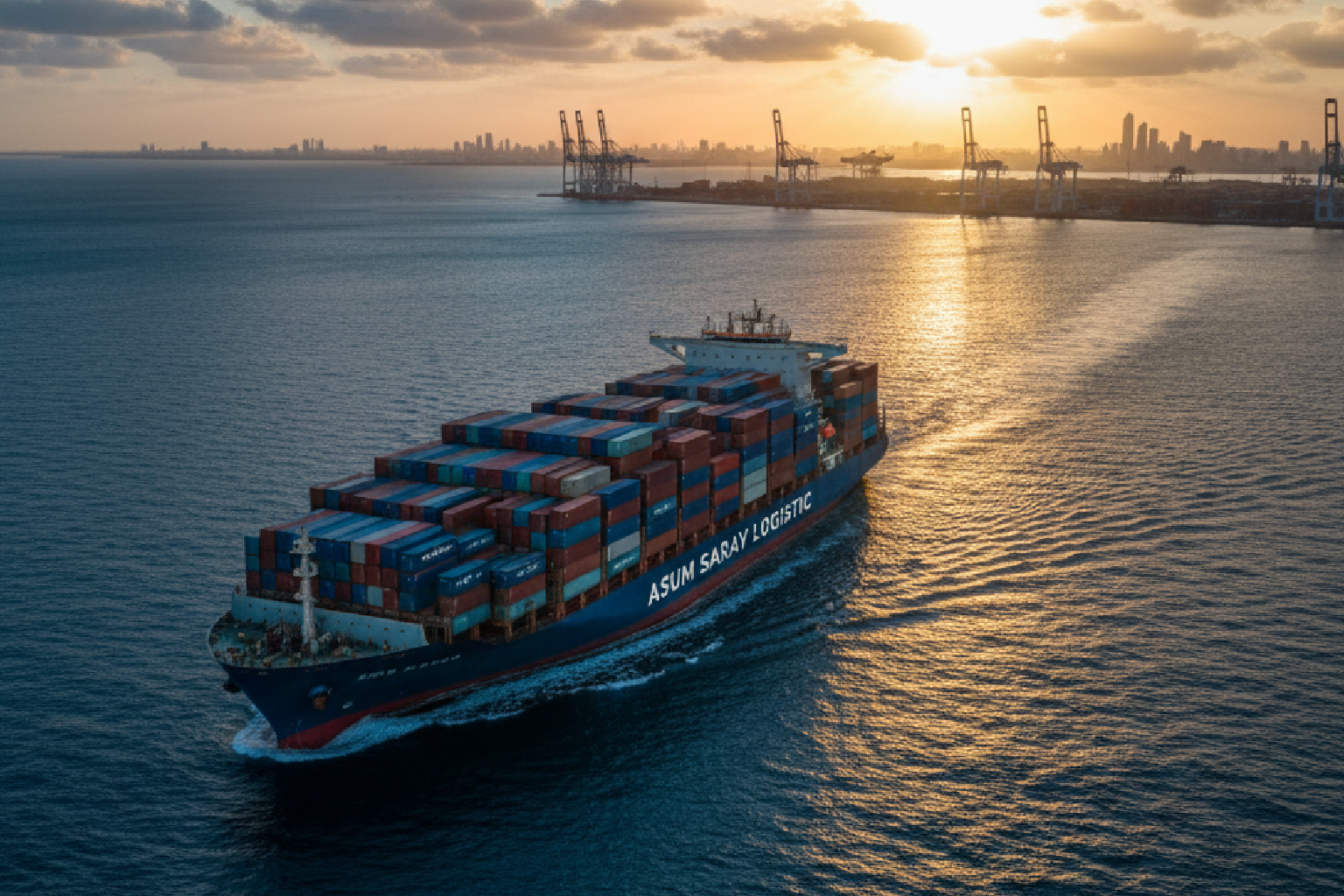
Logistics has evolved into something far more sophisticated than the simple movement of boxes. It is the engineering of flow itself – a discipline that injects value directly into the veins of the modern economy. It laces together the factory floors of the Far East with the consuming markets of the Middle East, threading a line from China, the industrial gravitational centre of the planet, to the Kingdom of Bahrain, a strategic gateway that sits at the Gulf’s commercial crossroads. The question worth asking is how a raw commercial necessity matures into a meticulously calibrated system that overcomes both geographic friction and geopolitical entanglement.
Table of contents
- China: The Workshop of the World and the Engine of Supply
- Bahrain: A Vital Logistics Centre – and Far More
- Engineering the Logistics Operation: Beyond the Shipment Itself
- Protecting the Core: Packaging as the First Line of Defence
- Multimodal Mastery: Balancing Speed and Cost
- Risk Management and Customs Compliance
- Digital Transparency: Certainty in an Age of Flux
- The Sum of Expertise: Prosperity Through Integration
China: The Workshop of the World and the Engine of Supply
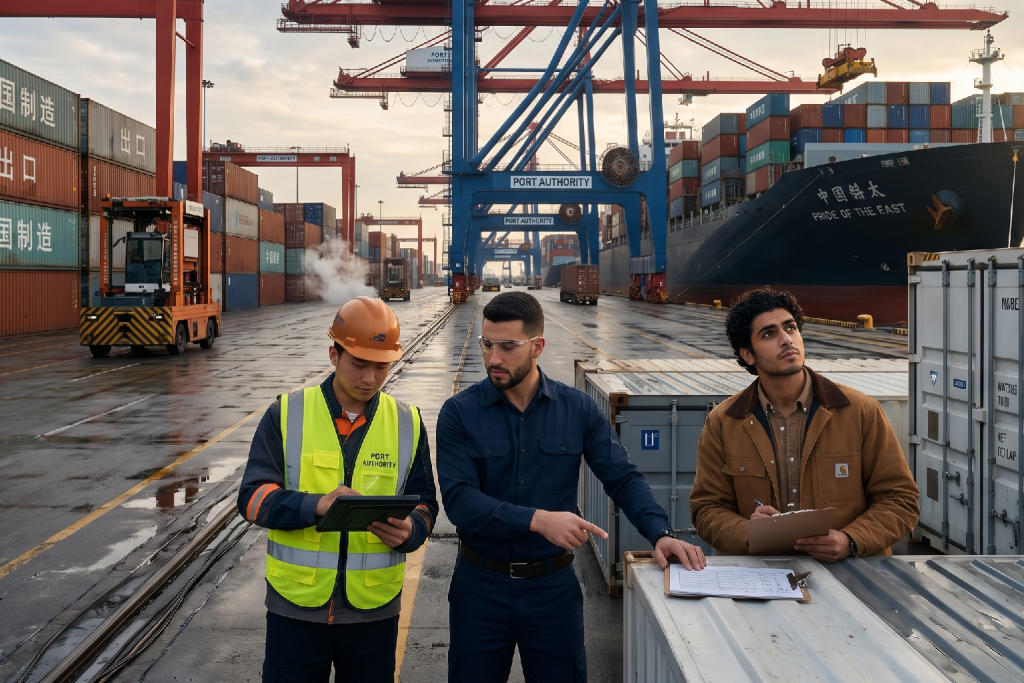
Mention China and you summon the image of an unresting dragon. From the sprawling port complexes of Shanghai to the innovation hothouses of Shenzhen, thousands of containers depart each day, freighted with the ambitions of enterprises looking to expand. Yet a product’s true value remains imprisoned on the factory floor unless it is supported by a supply apparatus that preserves both its cost competitiveness and its quality right through to the final destination. Production without precision logistics is merely potential; it takes the connecting tissue of a well-orchestrated supply chain to convert mass manufacturing into market advantage.
Bahrain: A Vital Logistics Centre – and Far More
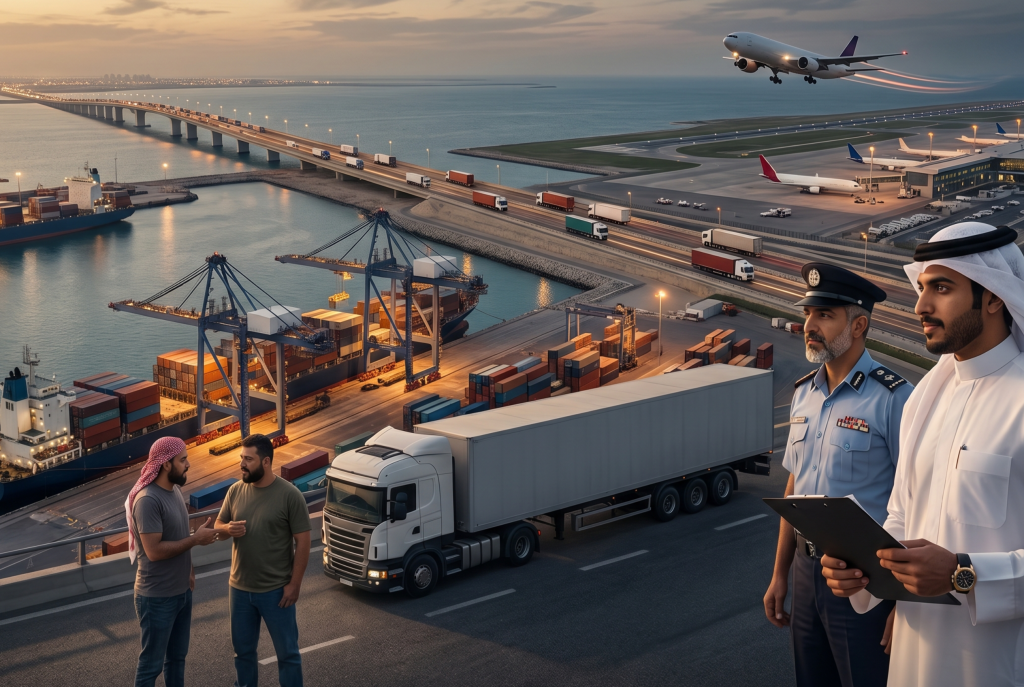
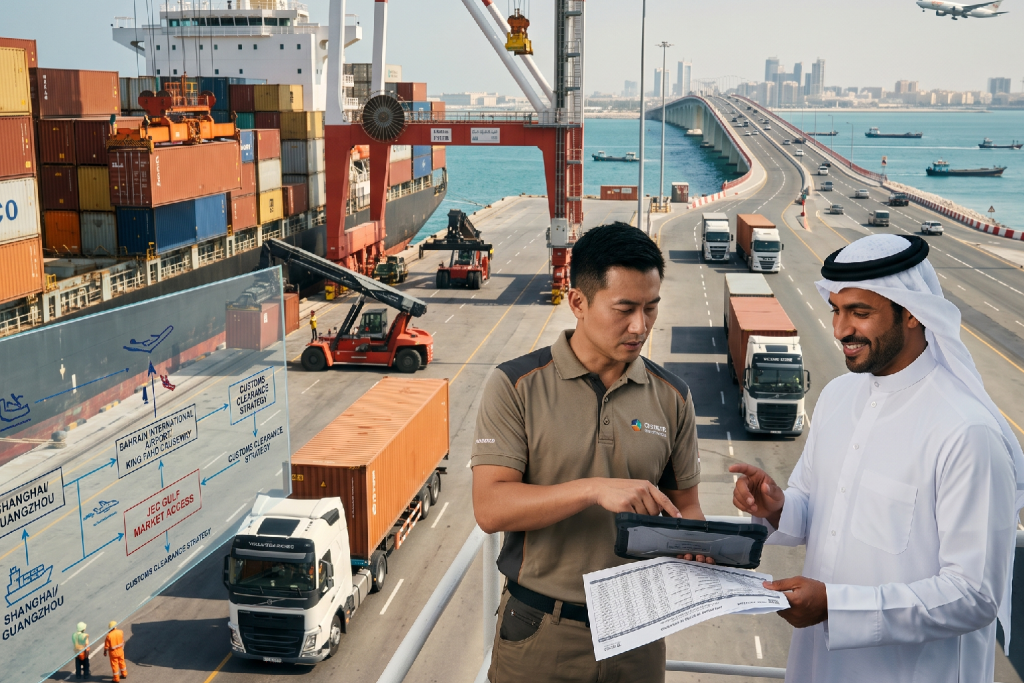
Several thousand miles distant, the Kingdom of Bahrain asserts itself not as an endpoint but as a historic junction of trade routes. With its dual connectivity – the Khalifa bin Salman Port on the water and Bahrain International Airport in the air – the Kingdom has shaped itself into a model of ambitious economic vision. But Bahrain’s logistical intelligence does not halt at its own shoreline. It extends along the King Fahd Causeway, that slender but powerful artery that transforms the island Kingdom into a strategic re-export platform feeding the Saudi market and the wider GCC hinterland. In this configuration, pinpoint precision in managing cargo flows becomes not a luxury but an inescapable requirement for reaching the regional interior with confidence.
Engineering the Logistics Operation: Beyond the Shipment Itself
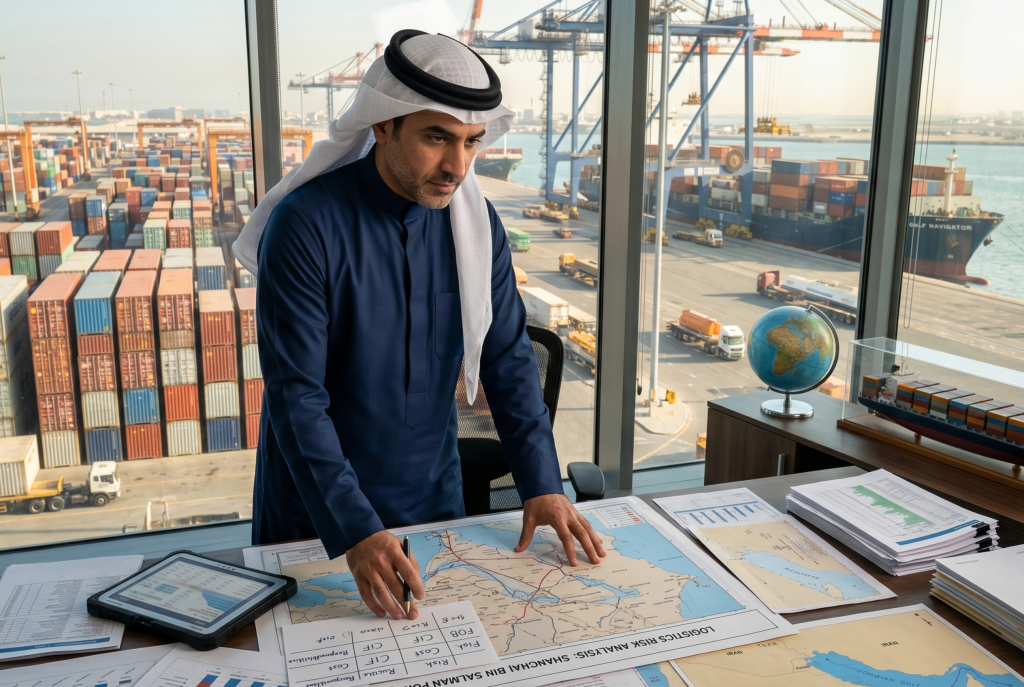
The genuine journey begins before a single container moves. It starts with the selection of the rules of engagement – the Incoterms. The sophisticated importer in Bahrain understands that the choice between terms such as FOB and CIF is not a box-ticking legal formality. It is a strategic fork in the road that determines the precise distribution of risk, cost and control. This is where an expert logistics partner proves their worth: deciphering the architecture of such contracts to safeguard the merchant’s interests from the moment of dispatch through to the final delivery of the last mile.

Protecting the Core: Packaging as the First Line of Defence
Long before cargo meets a vessel, it undergoes a rigorous preparation ritual. Fragile or temperature-sensitive goods demand specialised standards that guarantee the item arrives exactly as it left the production line. These procedures may appear mundane, but they constitute the first protective wall around a trader’s investment, absorbing the shocks and surprises that an intercontinental journey invariably serves up.
Multimodal Mastery: Balancing Speed and Cost
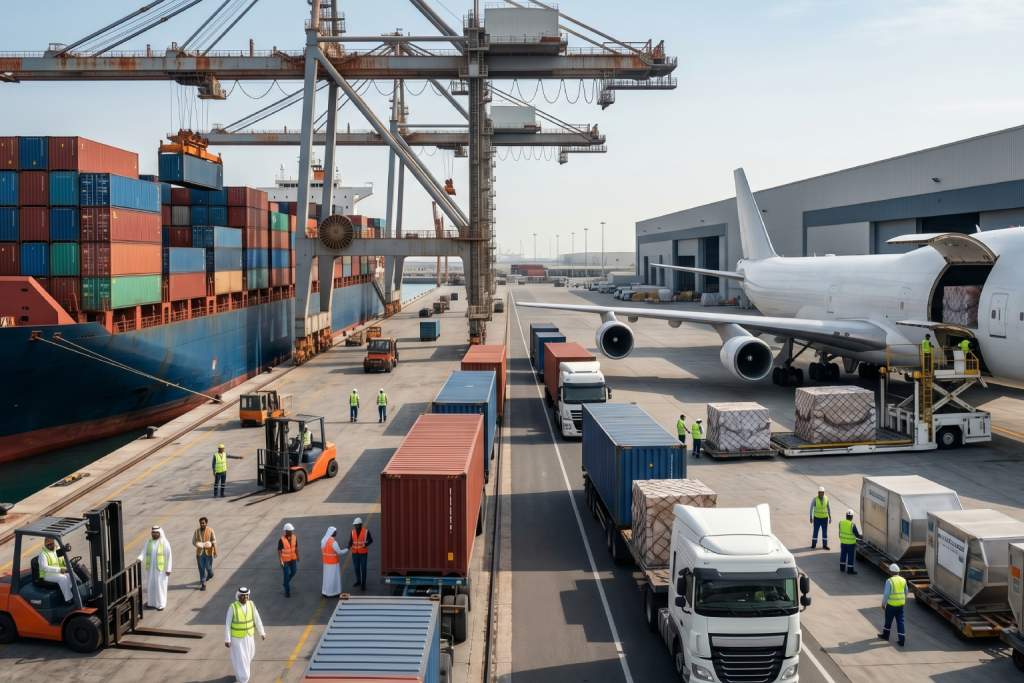
The market itself dictates the means of conveyance. Ocean freight remains the leviathan of the trade – the workhorse capable of swallowing enormous volumes at a cost base that keeps major projects viable. Air freight, by contrast, comes into its own as a surgical instrument for high-value or time-critical cargo, collapsing distances into hours when market urgency demands it. Knowing when to deploy each, and when to fuse them, is the quiet art at the heart of logistics engineering.
Risk Management and Customs Compliance
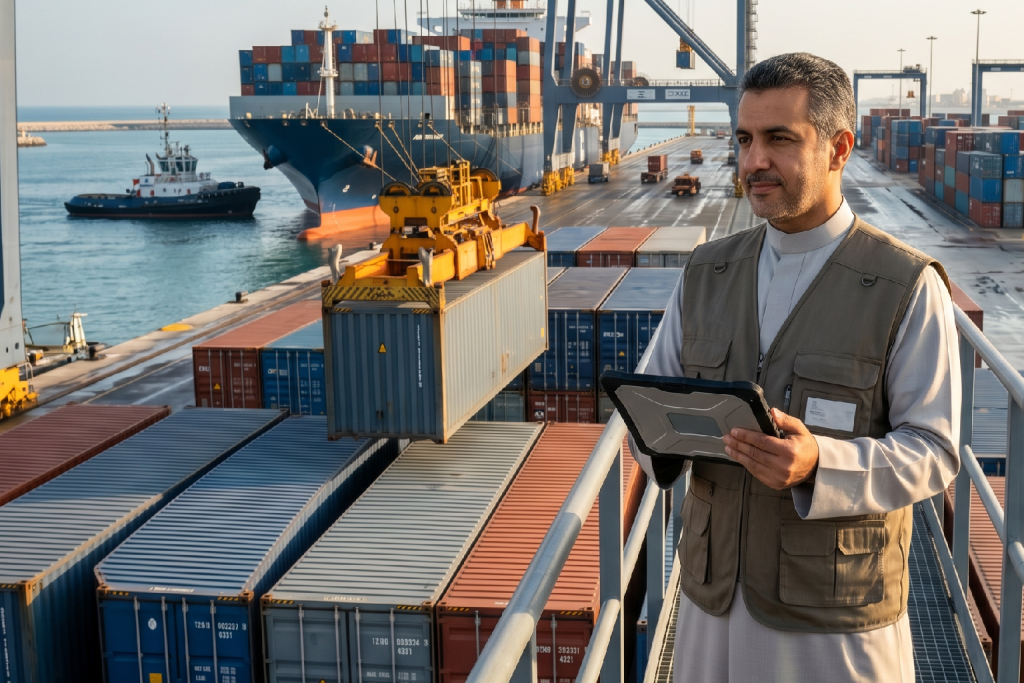
No one should mistake the supply chain for a rose-tinted corridor free of obstacles. It contends with capricious disruptions – from erratic global shipping patterns to sudden shifts in regulatory codes. The seasoned logistics professional is, above all, the keeper of the contingency plan, waging the customs compliance battle at Bahraini ports with a deep, current grasp of local law. That stance shields the importer from punishing demurrage charges and ensures the product enters the market in its rightful commercial window.

Digital Transparency: Certainty in an Age of Flux
In the era of digitisation, track-and-trace technology has become a fundamental right of the importer, not an optional extra. Real-time visibility over a cargo’s trajectory allows a business to plan its inventory and operations on the basis of data, not guesswork. The effect is to transform logistics from an opaque black box into a transparent process – measurable, governable, and infinitely more predictable.
The Sum of Expertise: Prosperity Through Integration
Shipping from China to Bahrain is ultimately a symphony of intricate movements, and it demands a partner who is fluent in the language of the Chinese factory floor while simultaneously understanding the rhythm of Gulf markets. In this landscape, firms such as AsumSaray Logistics have emerged as examples of a deeper kind of partnership – one that extends well beyond the act of transport into strategic sourcing counsel and customs clearance executed with genuine local awareness. It is a relationship built on converting complexity into fluidity, freeing merchants to focus on the growth of their enterprise while logistics expertise quietly secures the journey of prosperity – across oceans, through air corridors, and over the causeways that bind the region together.




No comment